A bout with a cold or the flu can really take you down. To stay healthy, you need to avoid nasty bugs. But that’s not always easy. Germs are everywhere, and there are plenty of ideas about how to get rid of them. Some so-called cold and flu “myths” even have a little truth to them. Here’s what you need to know about germs.
Myth No. 1: Disinfectants kill germs right away.
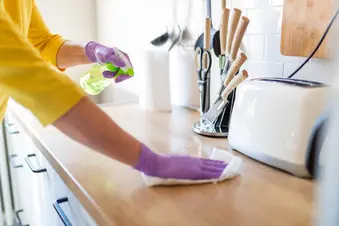
They don’t kill germs instantly, but disinfectants do work fast. Generally, it takes a few minutes for the chemicals to do their job. You don’t want to wipe surfaces too soon and leave bacteria behind. The product’s label will tell you how long it takes to actually kill germs. This will be under a heading that reads something like: “To disinfect.” In some cases, you might have to let it sit for four minutes or longer to kill germs.
Myth No. 2: Hot water is best for handwashing.
While hot water can effectively kill germs, it has to be extremely hot. Bacteria begin to die at 149 degrees F. That’s simply too hot for your hands. A recent study also found that cool water washes away the same amount of bacteria as hot water. The CDC says you should scrub your hands with soap for at least 20 seconds before you rinse. This is about the time it takes to sing the “Happy Birthday” song twice.
Myth No. 3: Hand sanitizers are just as good as soap and water.
Soap and water are your best bet for killing germs. But that doesn’t mean you shouldn’t use a hand sanitizer. These products are a quick and convenient option when you can’t wash your hands. Hand sanitizers can be especially useful after you touch surfaces in public places or before you eat a meal. This can help protect you from cold and flu. Look for an alcohol-based sanitizer that contains at least 60% alcohol. Rub it all over your hands and let it dry.
Myth No. 4: All cleaning products disinfect.
Not all cleaning products disinfect surfaces. But you still need to clean before you disinfect. Here’s the difference: to clean, you remove germs and dirt from surfaces. Cleaning products lower the number of germs, but they don’t kill them. To actually kill germs, you’ll need EPA-approved disinfectants. For best results, start by cleaning a dirty surface, then properly disinfect it to wipe out germs.
Myth No. 5: Antibacterial soap kills more germs than regular soap.
This is a popular cold and flu myth. The truth is, there’s no data to show that antibacterial soaps (which have special antimicrobial ingredients) can fight germs better than plain soap and water. The FDA has ruled against the marketing of certain consumer antibacterial soaps. But this doesn’t apply to hand wipes or hand sanitizers. Antibacterial soaps may also play an important role in health care settings. When hospital staff use these soaps correctly, they can lessen the spread of dangerous germs, especially in surgery or high-risk areas.
Myth No. 6: Air dryers are more sanitary than paper towels.
This is likely untrue. A review of 12 studies found using paper towels reduced bacteria spread more than air dryers. The strong air can blow germs around and cause cross-contamination. But wet skin also spreads more bacteria than dry skin. If you don’t have paper towels on hand, it’s OK to use an air dryer. You might want to follow up with a little hand sanitizer to target any leftover germs.
Myth No. 7: You only need to disinfect high-touch surfaces.
It’s definitely important to disinfect surfaces you touch a lot — like doorknobs, light switches, and countertops — to protect from cold and flu germs. In fact, you should do this daily. But it’s not a foolproof method. You also need to disinfect common areas, like your dining room, bathroom, bedroom, and living room regularly. A recent study even found that, surprisingly, high-touch surfaces usually have moderate or even low contamination levels.
Myth No. 8: You can get an infection from a toilet seat.
You are very unlikely to get an infection from a toilet seat. But it can happen. Still, the seat is probably cleaner than you think. Consider this: cell phones, cutting boards, keyboards, and doorknobs have more bacteria than a toilet seat. What’s more, germs on the toilet seat don’t live very long. If you do get sick from a toilet seat, it’s probably because you touched it with your hands and then rubbed your face or mouth. Be sure to wash your hands thoroughly with soap and water after you use the restroom.
Myth No. 9: Antibiotics can treat all infections.
Antibiotics can treat some, but not all, infections. The meds kill bacteria or stop them from growing. They’re used to treat bacterial infections like strep throat, whooping cough, bacterial pneumonia, bacterial skin infections, bacterial eye infections, and UTIs. Unfortunately, antibiotics won’t kill or stop a virus, like the common cold or flu.
Myth No. 10: The 5-second rule can protect you.
This myth has some truth to it. It’s best not to eat food that’s dropped on the floor. But research suggests that if a food item stays on the floor for a very short time, it attracts less bacteria.
Myth No. 11: Gloves offer total germ protection.
Gloves can protect you from germs, but only if you use them right. A gloved hand can help create a barrier between your skin and surfaces. But if you touch your face, phone, or other items, the germs can spread. Also, you still need to wash your hands before and after you wear gloves. Bacteria can build up in the moist environment, and tiny tears may allow germs to creep in.
Myth No. 12: All germs are bad.
Some germs, like certain bacteria, viruses, and fungi, can make you sick. But many germs actually keep your body healthy. For instance, some bacteria in your gut help you digest food. Some types of bacteria on your skin can also help protect you from infections. In other words, you actually need healthy germs to fight off the bad ones.
Staying away from harmful germs isn’t as simple as it sounds. There are a lot of myths about what you should and shouldn’t do. Some of them aren’t completely false. The bottom line: You don’t have to fear every single germ to stay healthy. It’s more about basic hygiene and common sense.
Show Sources
Photo Credit: E+/Getty Images
SOURCES:
Temple Health: “7 Household Cleaning Myths Debunked.”
Journal of Food Protection: “Quantifying the Effects of Water Temperature, Soap Volume, Lather Time, and Antimicrobial Soap as Variables in the Removal of Escherichia coli ATCC 11229 from Hands.”
CDC: “About Handwashing,” “When and How to Clean and Disinfect Your Home,” “Clinical Safety: Hand Hygiene for Healthcare Workers.”
Cleveland Clinic: “Trying To Avoid Germs? Regular Soap and Water Will Get the Job Done,” “The Dirty Truth About Hand Dryers,” “Antibiotics.”
Mercy Health: “Cleaning and Disinfecting: The Importance of Both During COVID-19.”
NewYork-Presbyterian: “The truth about germs and how to avoid them.”
FDA: “Skip the Antibacterial Soap; Use Plain Soap and Water.”
Mayo Clinic Proceedings: “The Hygienic Efficacy of Different Hand-Drying Methods: A Review of the Evidence.”
Journal of Hazardous Materials: “High-touch surfaces with moderate contamination levels as key nodes in microbial dissemination.”
Banner Health: “Is Your Toilet Seat Really That Dirty?”
Association for Professionals in Infection Control and Epidemiology (APIC): “Gloved Hands May Spread Germs.”
National Institutes of Health (NIH): “Your Microbes and You: The Good, Bad and Ugly.”